Laparoscopic cholecystectomy

Laparoscopic cholecystectomy removes the gallbladder through 3 or 4 small incisions using a camera and specialised instruments. It is considered for stones in the gallbladder or a bile duct and for certain gallbladder diseases, depending on the medical assessment.

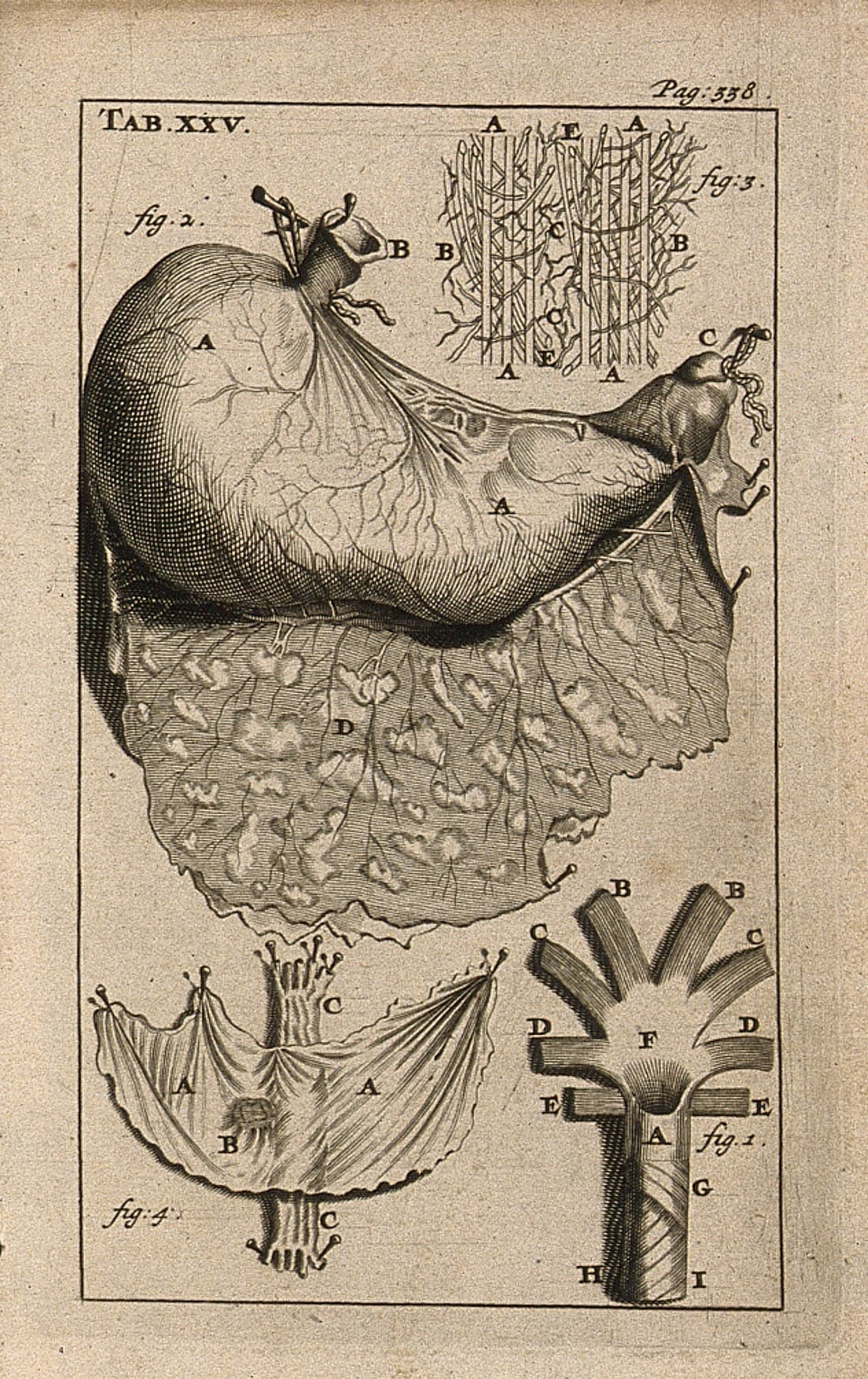
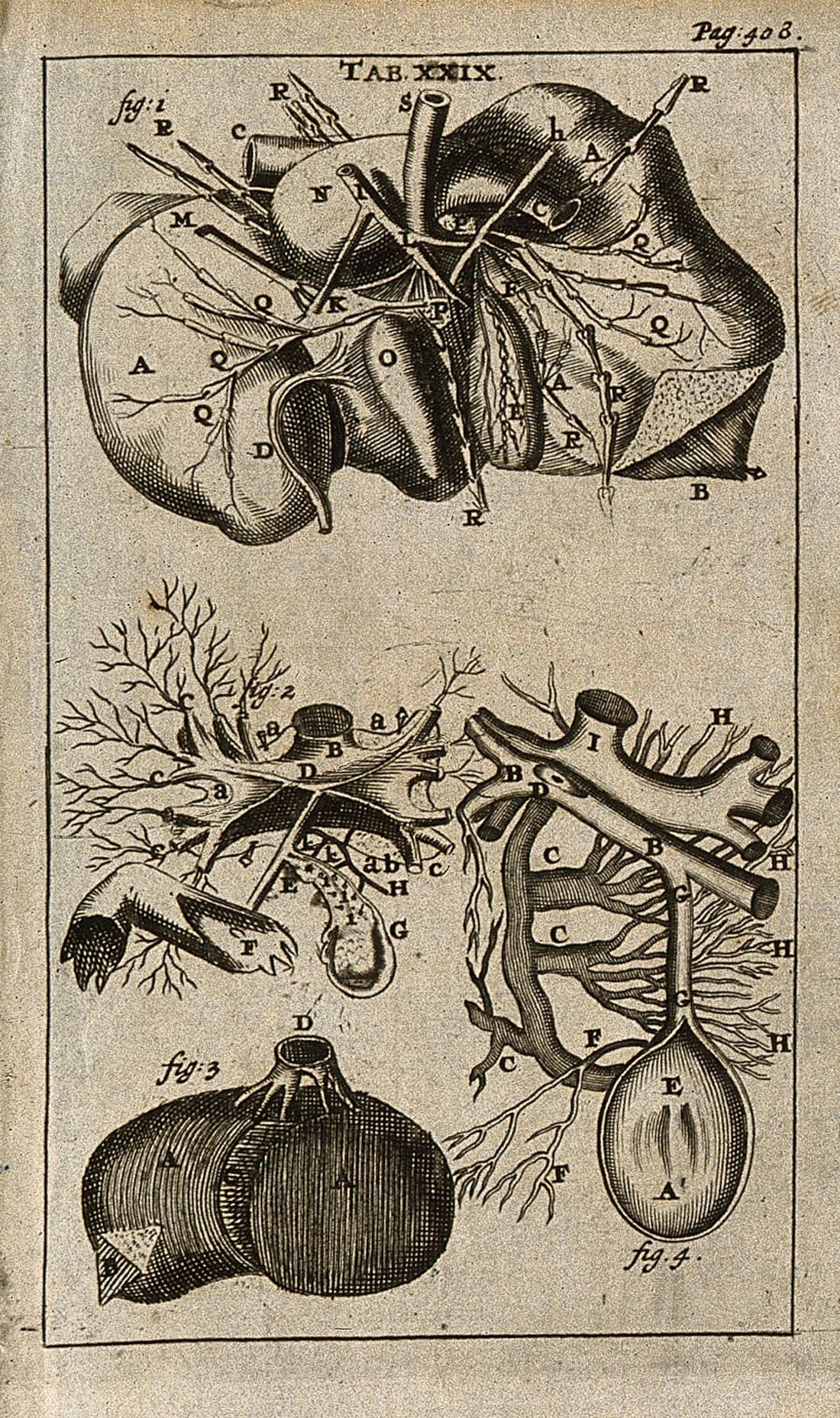
Antique engraving of the liver and gallbladder with its ducts

What is it and when is it considered?

Cholecystectomy is the surgical removal of the gallbladder. It is considered when there are stones in the gallbladder or in a bile duct, and for certain gallbladder diseases, according to the medical assessment.

Which symptoms usually lead to a consultation?

  • Pain in the upper right side of the abdomen
  • Episodes of pain after meals
  • Nausea
  • Complications such as an inflamed gallbladder (cholecystitis)

How is it treated?

In most patients it is performed through small incisions (3 or 4) with a camera and specialised instruments. In specific circumstances a different approach may be needed.

What are preparation and recovery like?

Ultrasound, laboratory tests and anaesthetic risk are reviewed for each case. Recovery and the return to normal activities depend on how each patient progresses.
When is it an emergency?

  • Severe, persistent pain
  • Fever
  • Yellowing of the skin or eyes (jaundice)
  • Vomiting that prevents you from keeping fluids down

With severe symptoms go to the emergency room; do not replace an immediate assessment with messages.

Questions about this procedure

How many incisions does laparoscopic gallbladder surgery need?

In most patients it is done through 3 or 4 small incisions that admit a camera and specialised instruments. In specific circumstances a different approach may be required.

What tests do I need to have my gallbladder assessed?

An abdominal ultrasound and laboratory tests are usually reviewed, together with each patient's anaesthetic risk. If you already have previous studies, bring them to the consultation.

When should I go to the emergency room for gallbladder pain?

Go to the emergency room if you have severe pain that does not ease, fever, yellowing of the skin or eyes, or vomiting that stops you from keeping fluids down. Do not wait for a scheduled appointment.

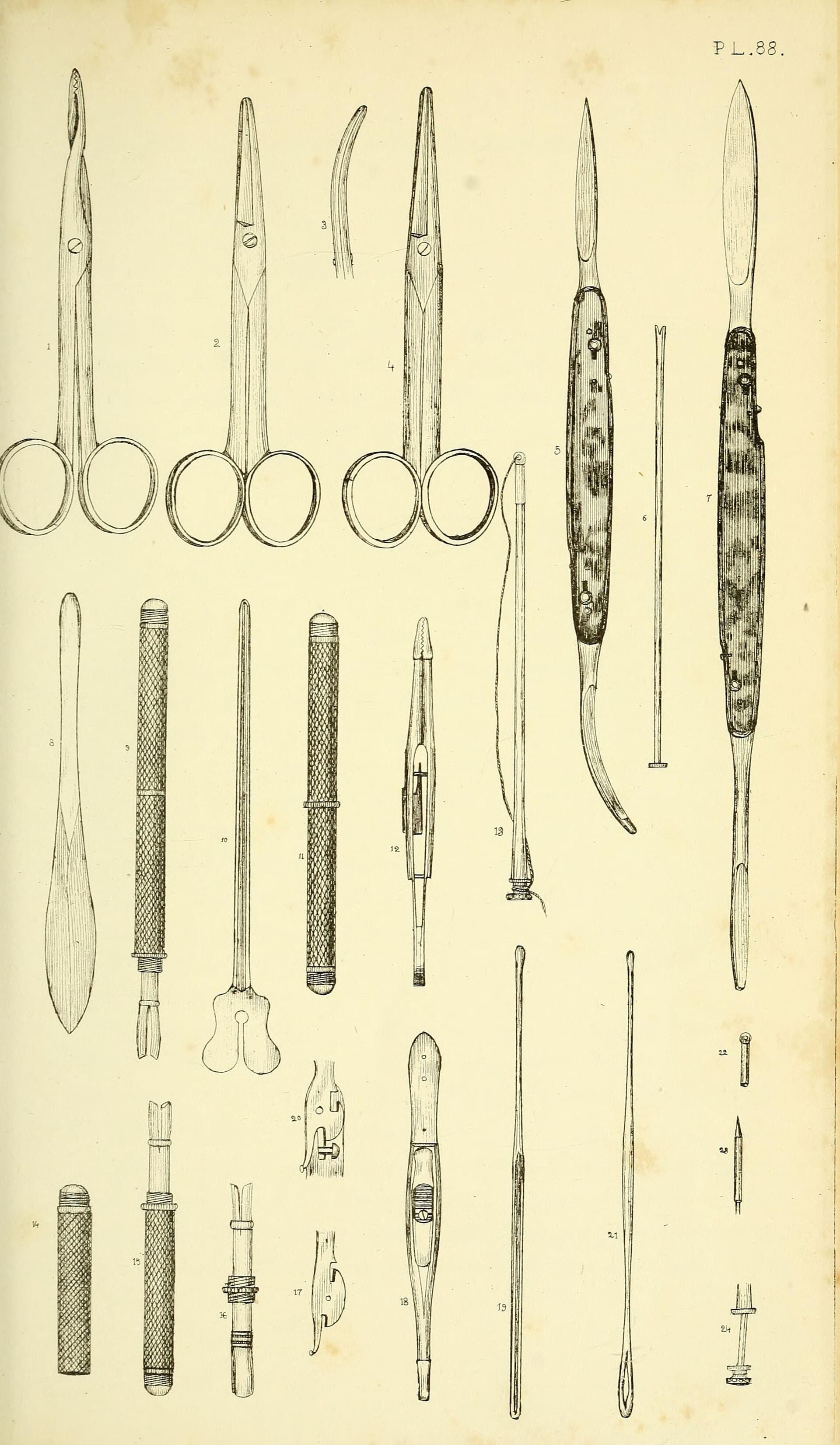
1852 plate showing a surgeon's hands while suturing

Book a consultation

Tell us what you feel and we will reply with an appointment. For emergencies, call or message on WhatsApp.

WhatsApp 686 257 2298Call +52 686 257 2298