Umbilical and ventral hernia

Umbilical and ventral hernias are tissue pushing through a defect in the abdominal wall, at the navel or at scars from previous surgery. They are managed with selected observation or surgical repair, often with mesh depending on the size of the defect and each patient's situation.

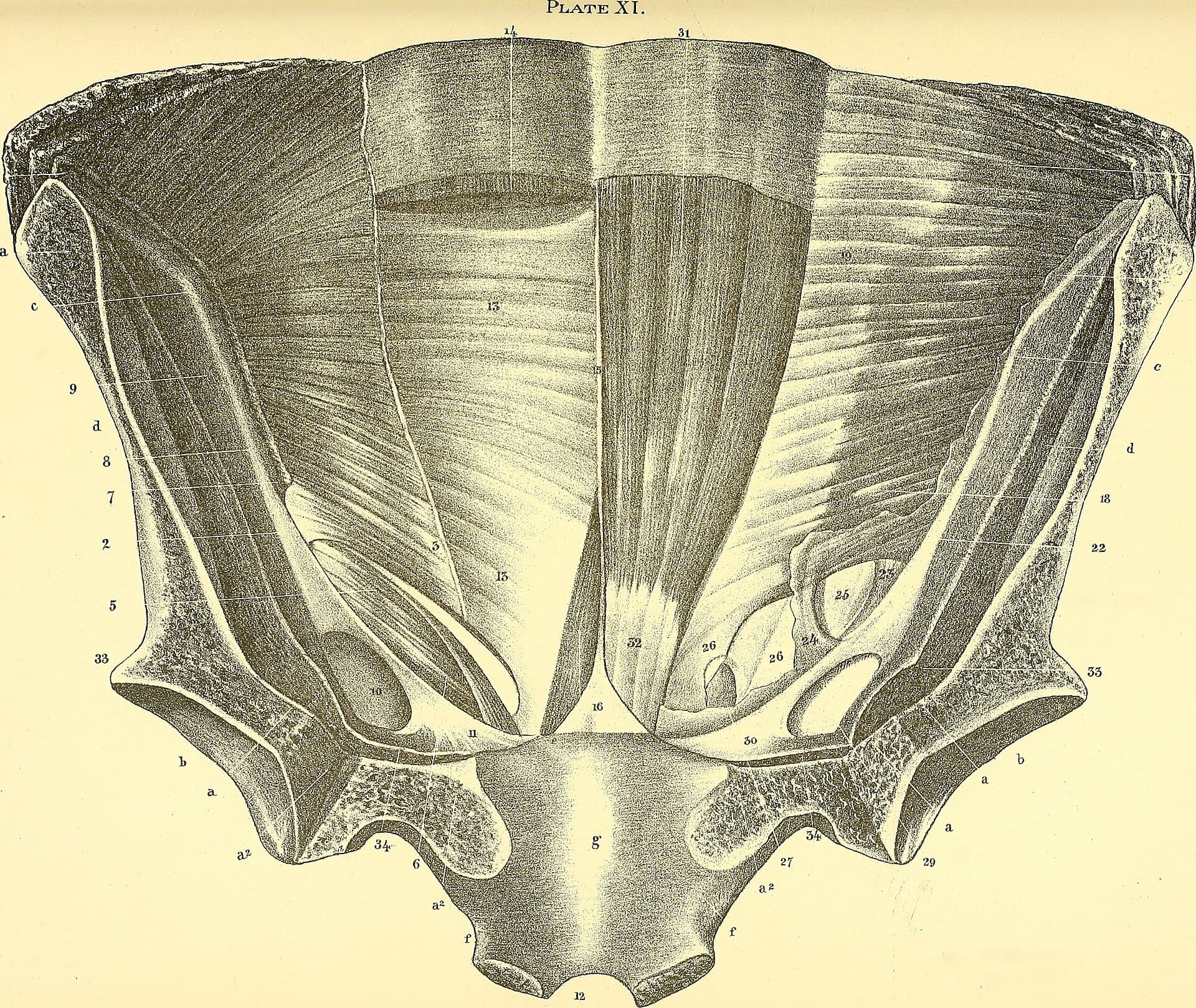
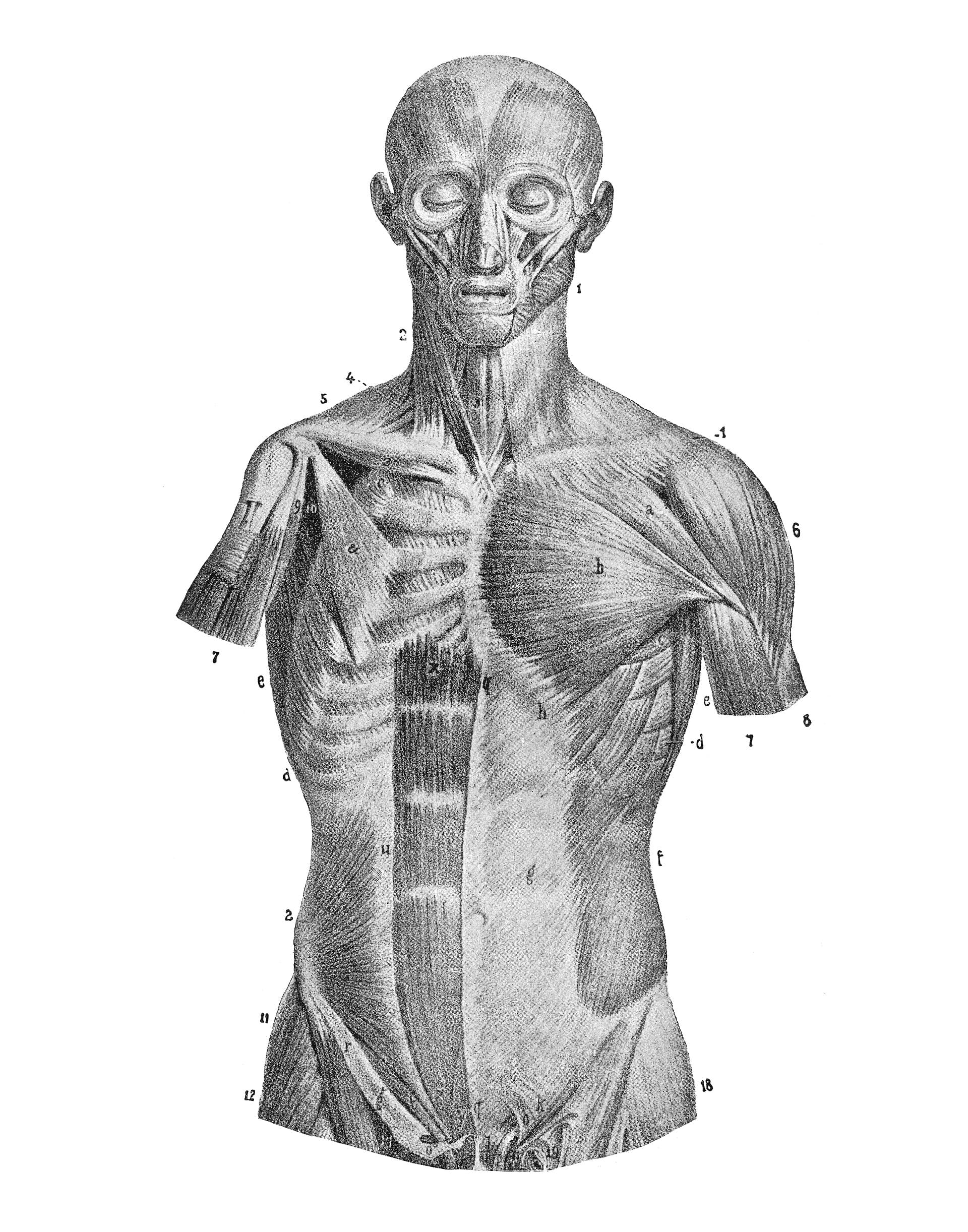
Gray's Anatomy plate (1893) showing the muscles of the chest and abdominal wall

What is it and when is it considered?

Abdominal wall hernias allow tissue to protrude through a defect in the fascia of the abdominal wall.

Which symptoms usually lead to a consultation?

  • Swelling at the navel
  • A bulge at scars from previous surgery
  • Pain or discomfort when straining

How is it treated?

Treatment may be selected observation or surgical repair, often with mesh depending on the size of the defect and each patient's situation.

What are preparation and recovery like?

The characteristics of the defect, weight, smoking, other illnesses and the risk of recurrence are all assessed.
When is it an emergency?

  • A painful bulge that no longer goes back in
  • Signs of obstruction: vomiting, bloating, not passing gas

With severe symptoms go to the emergency room; do not replace an immediate assessment with messages.

Questions about this procedure

Does every umbilical hernia need surgery?

Not always. Selected cases can be watched, while others are best repaired surgically, often with mesh depending on the size of the defect.

What is assessed before repairing a ventral hernia?

The characteristics of the defect, weight, smoking, other illnesses and the risk of recurrence are assessed. The repair is planned with that information.

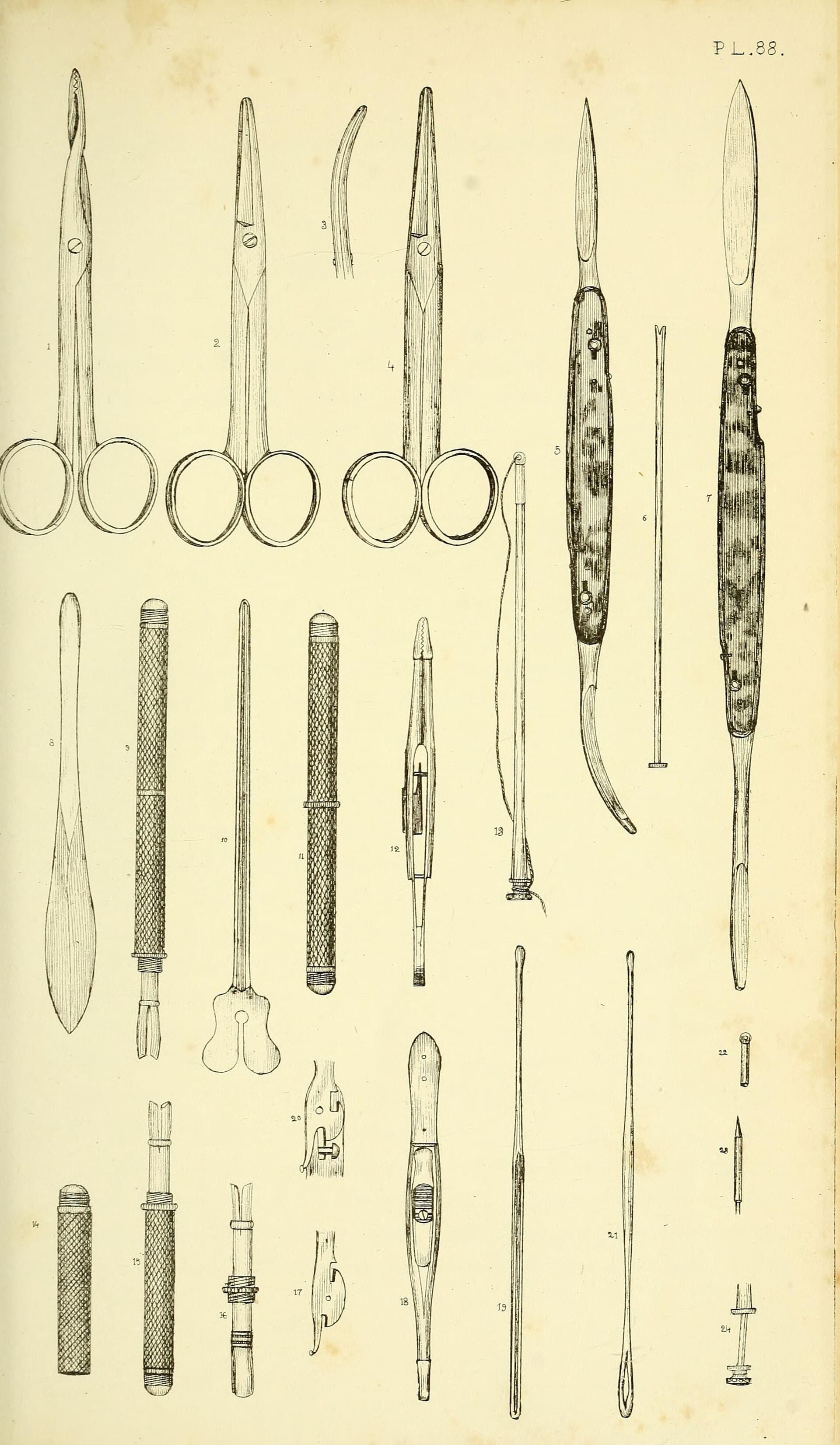
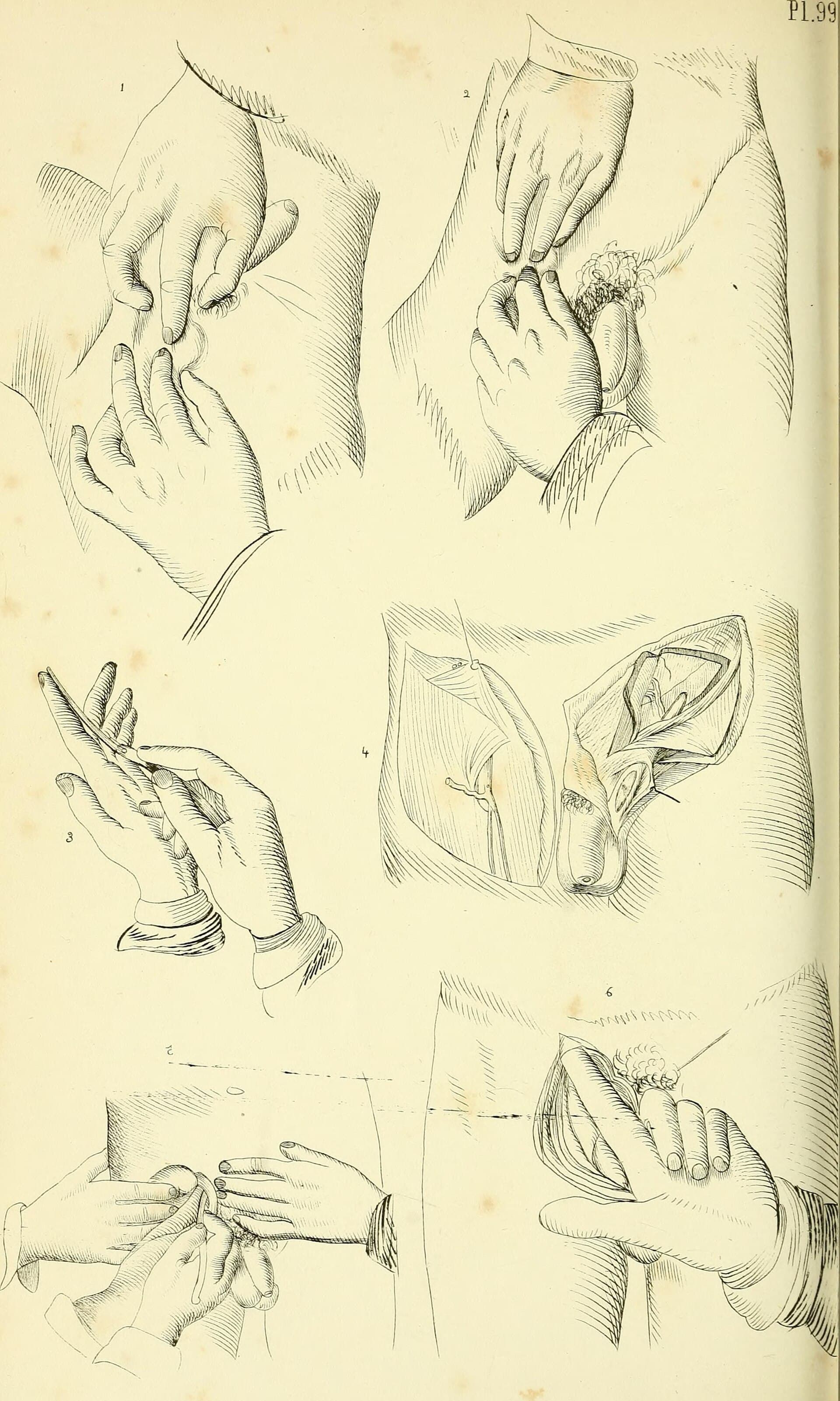
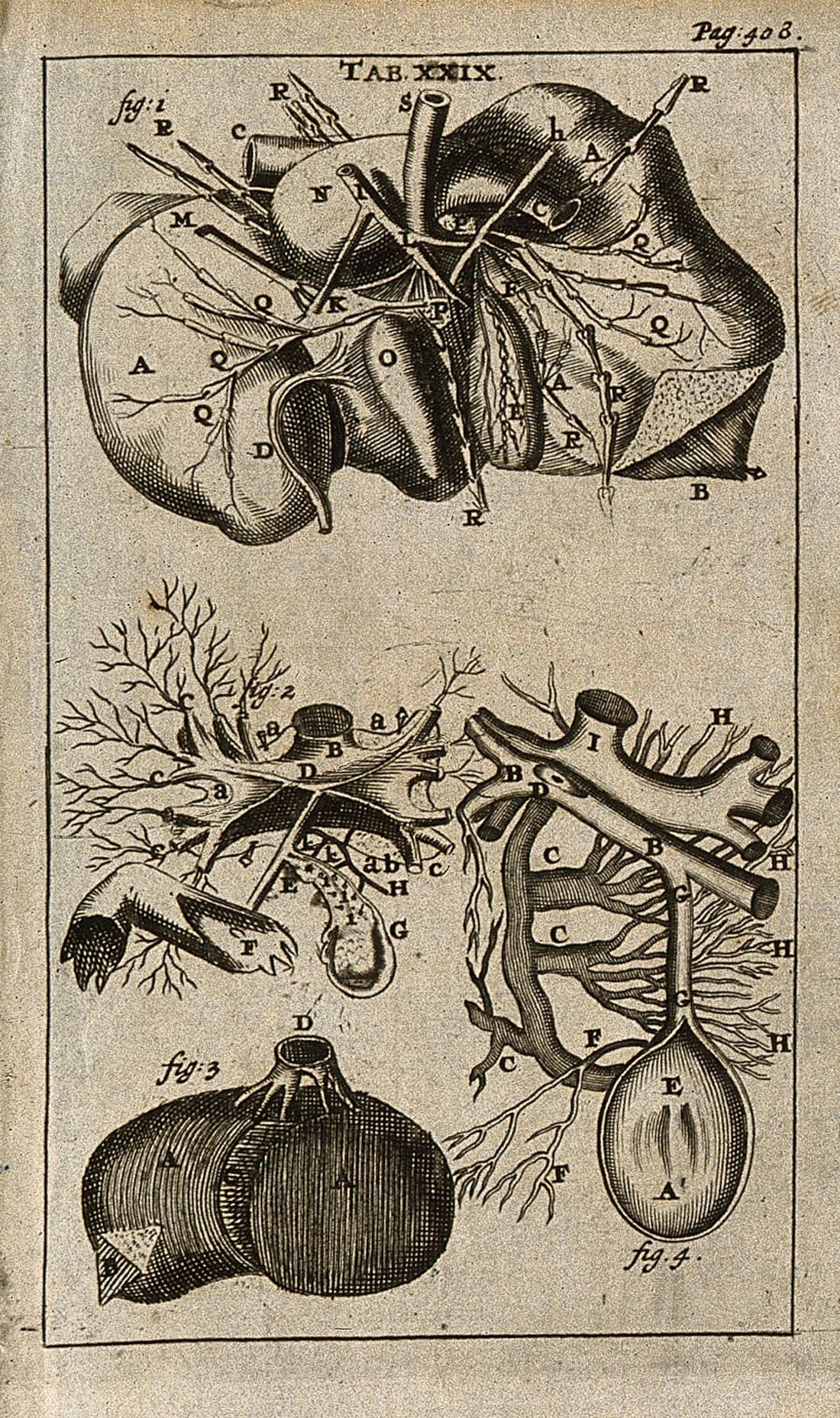
1852 plate showing a surgeon's hands while suturing

Book a consultation

Tell us what you feel and we will reply with an appointment. For emergencies, call or message on WhatsApp.

WhatsApp 686 257 2298Call +52 686 257 2298